Safe Boating Awareness Week
What is Safe Boating Awareness Week?
Safe Boating Awareness Week is an annual event recognized by boating communities worldwide. This week-long campaign aims to raise public awareness about boating safety and emphasize the importance of responsible boating practices. Organized by boating authorities, governmental agencies, and local boating associations, this initiative strives to reduce boating accidents, injuries, and fatalities by educating boaters about safety measures and precautions.
Every year, countless individuals and families embark on exciting boating adventures, seeking relaxation, exhilaration, and a connection with nature. While boating can be a delightful experience, it is crucial to prioritize safety and responsible practices on the water. Safe Boating Awareness Week serves as a timely reminder to boaters of all skill levels about the importance of proper preparation, awareness, and adherence to safety guidelines.
Essential Tips for Safe Boating:
-
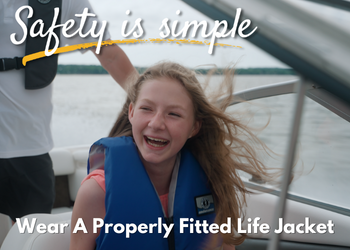
Wear Life Jackets: Always wear a properly fitting and approved life jacket or personal flotation device (PFD). Ensure that all passengers on board have access to their own life jackets, regardless of swimming abilities.
-
Conduct Safety Checks: Regularly inspect your boat's safety equipment, including fire extinguishers, flares, navigation lights, and emergency signaling devices. Maintain your boat's mechanical systems and ensure they are in good working condition.
-
Be Weather-Wise: Check the weather forecast before heading out and monitor conditions while boating. Avoid boating during severe weather, storms, or high winds. Sudden changes in weather can significantly impact your safety on the water.
-
Avoid Alcohol Consumption: Alcohol impairs judgment, coordination, and reaction time. Boating under the influence poses significant risks to both yourself and others. It is essential to refrain from consuming alcohol while operating a boat.
-
Follow Navigation Rules: Familiarize yourself with local boating regulations, navigation rules, and speed limits. Respect buoy markers, stay in designated channels, and maintain a safe distance from other vessels. Be cautious of no-wake zones and areas with restricted access.
-
Communicate and File a Float Plan: Inform a trusted person about your boating plans, including your destination, expected return time, and contact information. A float plan helps authorities initiate a search and rescue operation promptly if necessary.
-
Be Aware of Your Surroundings: Stay vigilant while boating and maintain a proper lookout for other boats, swimmers, divers, and navigational hazards. Stay alert, reduce distractions, and keep a safe distance from other vessels.
Safe Boating Awareness Week serves as a valuable reminder of the importance of prioritizing safety and responsible boating.